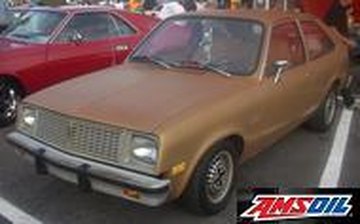
Engine Lubrication and Maintenance for the 1981 Pontiac T1000 1.6L
Maintaining a vehicle from the early 1980s requires a proactive approach to fluid management and mechanical inspection. For the 1981 Pontiac T1000 equipped with the 1.6L engine, consistent attention to lubrication is a fundamental aspect of long-term ownership. Because older engines often operate under different thermal and mechanical stresses than modern counterparts, understanding how to monitor and service your lubrication system is essential for preserving engine health.
Monitoring Fluid Integrity and Consumption
One of the most effective ways to gauge the condition of an engine is to observe how it utilizes its lubricants. For a 1.6L engine, even small changes in fluid levels can be significant. Owners should become familiar with the routine process of checking the oil level using the dipstick to ensure that consumption remains within expected parameters.
When performing these checks, pay close attention to the following:
- Fluid Color and Texture: While oil naturally darkens over time due to use, an extremely rapid change in color or a gritty texture can indicate internal contamination.
- Consistency of Levels: If you notice that the engine requires more frequent top-offs than previously recorded, it warrants a closer inspection of the vehicle's sealing surfaces and internal components.
- External Signs: Periodically inspecting the area around the engine for any signs of seepage or active leaks can help identify aging gaskets or seals before they lead to significant fluid loss.
It is important to remember that various symptoms, such as a change in how the engine sounds or an unusual odor, can have multiple underlying causes. If you notice anything out of the ordinary, it should be investigated by a professional to determine the exact source of the issue.
Prioritizing Maintenance Based on Current Condition
As vehicles age, maintenance strategies often shift from strictly following a calendar-based schedule to a more condition-based approach. For an owner of a 1981 Pontiac T1000, this means using the actual state of the vehicle to decide which tasks require immediate attention and which can be managed through routine monitoring.
If you are stepping into ownership of this vehicle without a complete service history, establishing a maintenance baseline is a wise first step. This involves performing a thorough inspection of all major service points and documenting the current state of every fluid and belt. Once a baseline is established, you can more easily identify when a component is deviating from its normal operating condition.
When deciding how to allocate time and resources, prioritize active concerns. An active leak or a noticeable change in how the engine responds to load should take precedence over general preventive tasks. By addressing these immediate observations first, you can prevent minor issues from evolving into more complex mechanical requirements.
Observing Potential Warning Signs
Being observant during routine operation can provide early warnings regarding the health of the 1.6L engine. While modern vehicles rely heavily on electronic sensors and dashboard indicators, older systems often require a more sensory-based approach to monitoring.
Potential signs that warrant further investigation include:
- Changes in Engine Sound: Any new or persistent mechanical noises during startup or while idling should be noted.
- Visual Indicators: If the vehicle is equipped with specific warning lights, pay close attention to any illumination that deviates from normal operation.
- Exhaust Observations: Changes in the color or consistency of exhaust gases can sometimes be associated with changes in how the engine is managing its internal fluids.
If any of these signs appear, they should not be ignored. While a single symptom does not provide a definitive diagnosis, it serves as a signal that the vehicle's lubrication or mechanical systems require a professional assessment.
Managing Aging Components and Seals
Over several decades, various materials within an engine compartment undergo natural changes due to heat cycles and age. For the 1981 Pontiac T1000, this includes not just the lubricants themselves, but also the components that contain them.
Inspect all accessible gaskets and seals for signs of age-related seepage. It is common for older rubber or composite materials to lose some of their ability to maintain a perfect seal over time. Additionally, if the vehicle is equipped with various drive belts, inspect them for any evidence of cracking, glazing, or fraying. Similarly, check any present hoses for signs of brittleness or swelling.
Rather than replacing parts simply because they are old, focus on their actual condition. A component that shows no signs of deterioration can often continue to function reliably, whereas a component showing visible wear should be addressed promptly to maintain the integrity of the engine's operating environment.
The Role of Documentation in Long-Term Care
For any vintage vehicle, maintaining a detailed service history is one of the most valuable tools an owner can possess. Keeping a log of when oil was changed, which products were used, and what repairs were performed provides a clear picture of the engine's lifecycle.
A well-maintained record allows you to:
- Identify Patterns: You may notice that certain components require more frequent attention than others.
- Verify Service Consistency: Records help ensure that no critical maintenance tasks are overlooked during long periods of ownership.
- Inform Future Repairs: Having a history of previous work can assist technicians in diagnosing new issues more efficiently.
Even if you do not have the records from previous owners, starting your own log today will provide an essential foundation for all future maintenance decisions regarding this 1.6L engine.
Practical Advice for Buying Engine Oil for a 1981 Pontiac T1000 1.6L
When it is time to replenish or change the lubricant in your vehicle, the most important step is ensuring that the product you select matches the specific requirements of your engine. Because different engines have unique needs regarding chemical composition and flow characteristics, you should never rely on general assumptions based on the vehicle's age.
To ensure a correct match, always refer to the application-specific oil viscosity and lubricant information provided on this webpage. This information is tailored to your specific 1981 Pontiac T1000 1.6L engine configuration.
When you are at the point of purchase, keep these practical tips in mind:
- Verify the Label: Before completing your purchase, double-check that the SAE viscosity and API service classifications on the bottle align with the information displayed here.
- Consider Formulation Options: Depending on your specific needs and the current condition of your engine, you may choose between conventional, synthetic blend, or full synthetic oils. Some high-mileage formulations also include additives intended for use in aging engines.
- Check Certification: Ensure that any oil you buy meets the appropriate modern quality standards to provide effective lubrication and deposit control.
By matching your lubricant choice directly to the application data provided on this page, you can maintain the proper lubrication standards necessary for your engine's continued operation.